 +042 111 666 783
World Thalassemia Day 2026 - Learn Everything About Thalassemia
05-May-2026
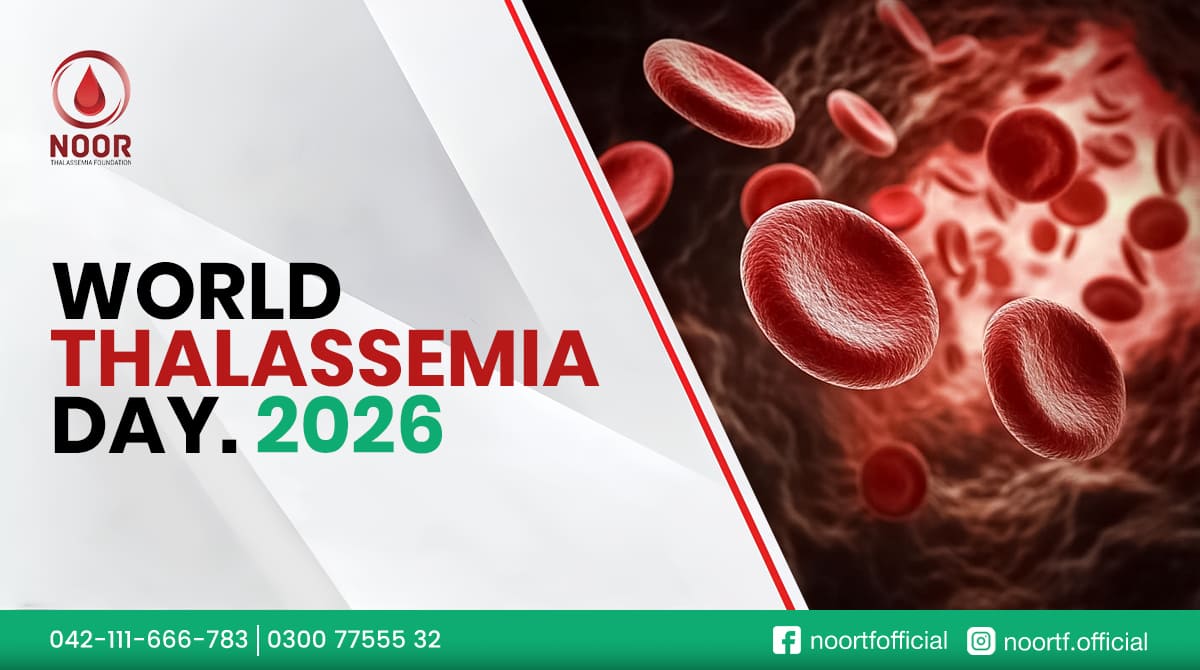
World Thalassemia Day is observed on May 8 every year. The day is celebrated to raise awareness regarding Thalassemia (a life-threatening disease). On this day, awareness campaigns are organized to educate people about thalassemia, including its causes, symptoms, treatment options, and preventive actions to avoid such a chronic illness.
The 2026 World Thalassemia Day will be celebrated with the theme of “Hidden No More: Finding the Undiagnosed. Supporting the Unseen.” It has been seen that most of the patients are neglected, and many of them could not get on-time treatment due to a lack of supplies. So, the purpose of highlighting this day is to ensure the life-saving treatment is accessible for everyone.
What is the Importance of World Thalassemia Day?
World Thalassemia Day is held on the 8th of May each year to raise awareness of this chronic disease. This is an inherited disease that can be life-threatening when not managed properly. Remember that early screening, timely diagnosis, immediate treatment, and emotional support to patients and families are crucial.
On this day, healthcare organizations, especially those involved in Thalassemia management, run campaigns to raise awareness of the disease. It helps people understand the root cause of the disease, helping them avoid this challenging condition.
However, we must not wait for the Thalassemia management organizations to make people aware of what they do not know. It is the duty of every person who is familiar with the disease to spread awareness among their circles and acquaintances. This effort can help us keep the community safe and free from chronic disease.
What is Thalassemia?
Thalassemia is a blood disorder that is inherited. The disease occurs when the body fails to make enough healthy hemoglobin. Hemoglobin is a protein in the red blood cells that carries oxygen throughout the body. The disease results in lifelong anemia, weakness, poor growth, and fatigue, depending on the severity of the condition.
For many Thalassemia patients, the common treatment plan is regular blood transfusions. Besides this, iron chelation therapy is another effective treatment used to relieve the severe symptoms. Patients must engage with continuous medical follow-up to stay updated with their conditions. Remember that ignoring the symptoms may lead to serious health complications.
What are the Common Types of Thalassemia
Thalassemia is generally considered into two types, including alpha thalassemia and beta thalassemia. The type depends on which hemoglobin protein chain is not developed properly by the body.
Alpha Thalassemia
If the body fails to produce enough alpha globin protein, it results in alpha thalassemia. The condition may range from no symptoms to anemia in severity. Alpha thalassemia appears in different forms, including alpha thalassemia trait, silent carrier, Hemoglobin H disease, and alpha thalassemia major. The treatment plan depends on the form and severity of the condition.
Beta Thalassemia
When the body fails to produce enough beta-globin protein, it results in beta thalassemia. The condition occurs with mild to moderate and even severe symptoms. The condition appears in different forms, including beta thalassemia minor, intermedia, and major.
What are the Common Causes of Thalassemia
Thalassemia is an inherited disease that appears due to gene changes passed from parents to children. These gene changes are responsible for how the body makes hemoglobin. Insufficient hemoglobin within the body results in weaker, fewer, and less effective red blood cells. Below are the common reasons to develop thalassemia:
- Inherited Gene Mutations: Caused by altered or missing genes affecting alpha- or beta-globin chains in hemoglobin.
- Family History: Higher risk if one or both parents carry the thalassemia gene; parents may appear healthy.
- Carrier Parents: Children of two carriers are at higher risk of severe thalassemia; premarital screening and genetic counseling are important.
- Alpha and Beta Globin Problems: Alpha thalassemia occurs when the body produces insufficient alpha-globin, while beta thalassemia occurs when the body produces insufficient beta-globin. The severity depends on the number of affected genes and how strongly they reduce hemoglobin production.
- Ethnic/Regional Background: More common in Mediterranean, Middle Eastern, South/Southeast Asian, and African populations, but can affect anyone.
What are the Common Symptoms of Thalassemia
Thalassemia symptoms appear from mild to severe, depending on the conditions or types of thalassemia. The common symptoms include the following:
- Weakness and fatigue
- Pale and yellowish skin
- Difficulty in breathing, especially during physical activities
- Delayed or slow growth in affected children
- Dark-coloured urine
- Changes in bone structure appear in severe conditions
- The spleen may become enlarged
- People with thalassemia are more prone to infections
Ways to Diagnose Thalassemia
Thalassemia can be diagnosed in several ways. For example, complete blood count tests, special hemoglobin tests, and genetic tests are performed based on the patient’s conditions. These diagnoses tell healthcare professionals about the hemoglobin, red blood cells, and other body conditions to evaluate the severity of the disease.
How Can We Treat Thalassemia?
A stem cell transplant is the only treatment considered to cure thalassemia. Besides this, thalassemia treatment requires regular blood transfusions and iron chelation therapy to manage the condition. Your healthcare provider may also suggest some medications to avoid several complications.
The Role of NTF for Thalassemia Patients
Noor Thalassemia Foundation is a registered non-profit organization that works to support thalassemia patients in Pakistan. We work to manage regular blood supply, medications, and other treatment plans to support the poor thalassemia patients who cannot afford the expenses of their treatment. Besides this, we also support patients suffering from hemophilia and other blood disorders, ensuring that life-saving care is accessible for everyone who deserves it. You can take part in managing thalassemia by donating or sponsoring thalassemia patients. Donate now and support those who are looking for your help to stay healthy and active.
Frequently Asked Questions
When is World Thalassemia Day in 2026?
Every year, World Thalassemia Day is observed on May 8, and the same day has been decided for 2026. The day is celebrated to make people aware of the causes, symptoms, diagnosis, treatment plans, and preventive measures of thalassemia. The purpose is to prevent the disease and bring potential treatment solutions for the affected ones.
What is the theme decided for the World Thalassemia Day 2026 campaign?
In 2026, World Thalassemia Day will be observed with the theme of “Hidden No More: Finding the Undiagnosed. Supporting the Unseen.” It means that we must not ignore the patients and support them as much as possible.
What are the types of thalassemia?
There are two major types of thalassemia - alpha thalassemia and beta thalassemia. Alpha thalassemia occurs when the body fails to produce enough alpha-globin protein. On the other hand, beta thalassemia occurs when the body does not make enough beta-globin protein.
What are the treatment plans for thalassemia?
The treatment plans for thalassemia include regular blood transfusion, iron chelation therapy, and bone marrow or stem cell transplant.
How does NTF support thalassemia patients?
At Noor Thalassemia Foundation, we provide poor patients with life-saving treatment. We manage regular blood supply, medications, and other possible treatment plans to manage blood disorders.