 +042 111 666 783
A Guide on Itikaf - Learn What to Do and What to Avoid
10-Mar-2026
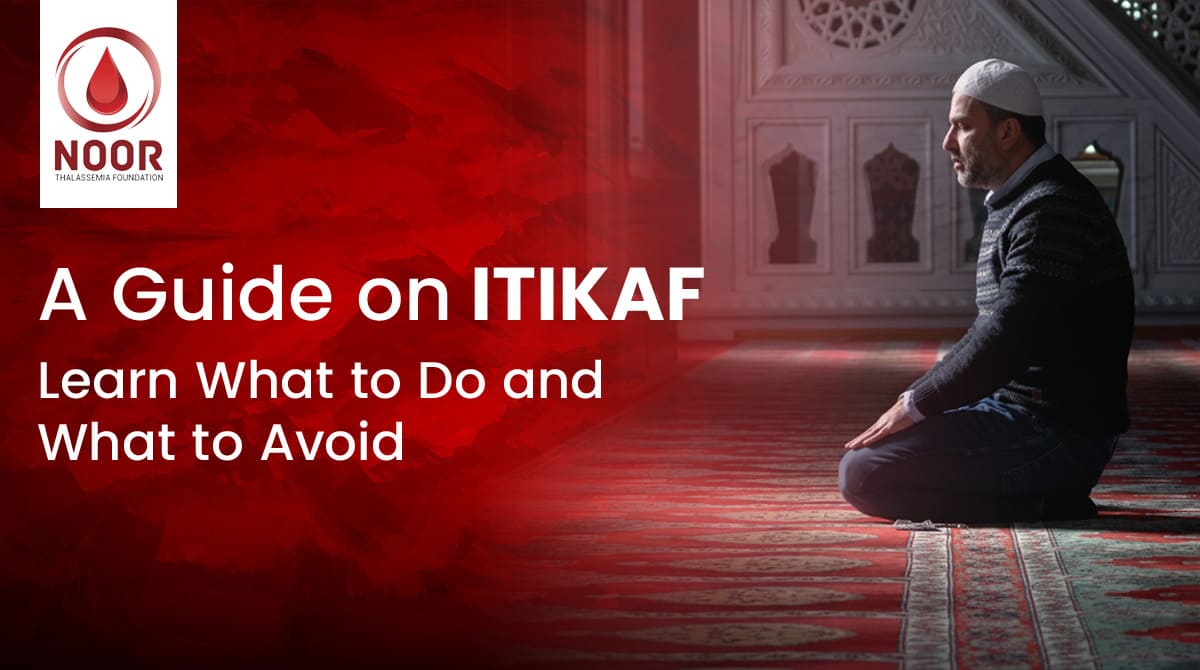
Ramadan comes with a spirit to worship Allah with more zeal and encouragement. Offering prayers, fasting, and giving Sadaqah are the acts Muslims do with great passion and patience. Here comes another Sunnah act of performing Itikaf in Ramadan.
Muslims from across the world perform Itikaf as it was performed by the Holy Prophet (Peace Be Upon Him) during His time. Usually, Itikaf is done in the last ten days of Ramadan. However, some people also perform it for the last few days of Ramadan.
This article is a detailed account of what Itikaf is and who can perform it. As well as this, we will discuss what to do and what to avoid during Itikaf. So, let’s start learning about Itikaf here:
What is Itikaf in Islam?
Among the voluntary or Sunnah acts of Ibadah, Itikaf is the one that is performed in Ramadan. It is performed by Muslims in isolation during the last ten days of Ramadan. The only purpose of performing Itikaf is to draw Allah’s closeness and seek His forgiveness.
Itikaf can be performed by both men and women. However, for men, it is advised to perform Itikaf in Masajid. For women, it is advised to sit for Itikaf in their homes by maintaining complete isolation. Some Islamic scholars also allow women to sit in the Masajid if all the basic facilities are available. Usually, Itikaf starts from the 20th Ramadan, and Muslims sit or make Niyyah at the Asar prayer. However, it lasts until the end of Ramadan or when the moon is sighted for Shawal or Eid. Itikaf can be for nine or ten days, depending on the total number of days in the lunar month.
Who is Applicable for Itikaf?
Every Muslim can perform Itikaf in Ramadan. There are no limitations or hard rules for it. However, there are several conditions that you must follow to perform Itikaf:
1) Adults and Sane Muslims: Every adult Muslim who is sane or has the knowledge about the purpose of Itikaf is eligible to perform Itikaf.
2) People with Right Intention (Niyyah): For performing Itikaf, you have to make a proper intention or Niyyah that you will dedicate this time only for the worship of Allah and must not be involved in any worldly pursuits.
3) Who is Physically or Mentally Fit: Itikaf requires spending almost ten days and nights in the Masjid to worship Allah. So, to perform Itikaf, you must be physically and mentally fit.
4) Both Men and Women: There are no limitations on Itikaf as it can be done by both men and women. However, men must perform in the Masjid in complete isolation, and women must perform in their homes with seclusion. If properly facilitated, they can also perform it in the Masjid.
Best things to do in Itikaf
Before going to sit for Itikaf, keep in mind that the only purpose of Itikaf is to please Allah and seek His forgiveness. You must not be involved in worldly pursuits as they can distract you and can eliminate the charm of your Itikaf. Here are the recommended practices to perform while sitting for Itikaf:
1) Offer Prayers: While sitting for Itikaf, you must not miss prayers. Offer all the obligatory prayers and Traweeh prayer. Besides this, you must also offer some voluntary prayers, as they can increase your rewards. Usually, people offer Salat Tasbeeh and Nawafil as additional prayers to get more rewards in Ramadan or during Itikaf.
2) Recite the Holy Quran: Another best practice to do during Itikaf is to recite the Holy Quran as much as you can. Reciting the Holy Quran comes with many additional benefits. However, it is advised to recite it with translation or understand the message of Allah. Moreover, we must also try to implement these Quranic messages or lessons in our lives.
3) Make Duas: During Itikaf, you need to keep making Duas to Allah. Make duas for yourself, your family, your income, your country, and for all other legal wishes you have. You will also get the chance to attend Laylatul Qadr or Khatam Al Quran, so make special duas during this time.
4) Do Dhikr: At the time, when you are not praying or reciting the Holy Quran, you must spend time doing Dhikr. For Dhikr, recite Allah’s name or offer Durood to Allah’s messenger (Peace Be Upon Him). Doing Dhikr with Allah’s name purifies your heart and soul.
5) Understand Islamic Matters: During Itikaf, you must learn or understand Islamic matters. For example, if you have any doubts about particular Islamic rules, you can discuss them with Islamic scholars, as many scholars are available in the Masjid during itikaf. You can learn about other issues through reading books recommended by Islamic scholars.
6) Seek Allah’s Forgiveness: Remember that the only purpose of sitting for Itikaf is to seek Allah’s forgiveness. So, throughout the day and night, keep trying to repent and seek forgiveness from Allah.
What can Cancel Your Itikaf?
Remember that there are certain things that can nullify or cancel your Itikaf. For example, leaving your Itikaf place or going out of the Masjid can cancel your Itikaf. Besides this, being involved in unwanted or bad companies during Itikaf can also nullify your Itikaf. Keep in mind that the only purpose of performing Itikaf is to find seclusion and seek Allah’s forgiveness.
Give Your Donations to Noor Thalassemia Foundation this Ramadan!
Do you want to offer Sadaqah and other donations in Ramadan? Donate it to the Noor Thalassemia Foundation. Noor Thalassemia Foundation is a non-governmental or non-profit organization that works to facilitate patients suffering from Thalassemia, Hemophilia, and other blood diseases. Your donations are used to provide preoperative patients with proper blood supply, medicines, and other facilities. So, give your donations to Noor Thalassemia Foundation and support deserving patients this Ramadan.
Frequently Asked Questions
Who is eligible for Itikaf?
Both men and women who are adults, sane, and have good physical and mental health can perform Itikaf during Ramadan.
Who should not perform Itikaf?
Muslims who have bad physical and mental health or fear that the condition may worsen during Itikaf must not perform Itikaf.
Things to do in Itikaf?
The recommended things to do during Itikaf include offering prayers, fasting, reciting the Holy Quran, doing Dhikr, making Duas, and seeking Allah’s forgiveness.
What can cancel your Itikaf?
Leaving your Itikaf place or going out from Masjid can cancel your Itikaf. Besides this, joining unwanted bad companies that will hurt your isolation can also nullify your Itikaf.
What is the duration of Itikaf?
Itikaf is performed in the last Ashrah or ten days of Ramadan. Muslims start following this practice on the 20th Ramadan during Asar prayer. However, it lasts until Ramadan ends or the moon is sighted for Shawal or Eid.